
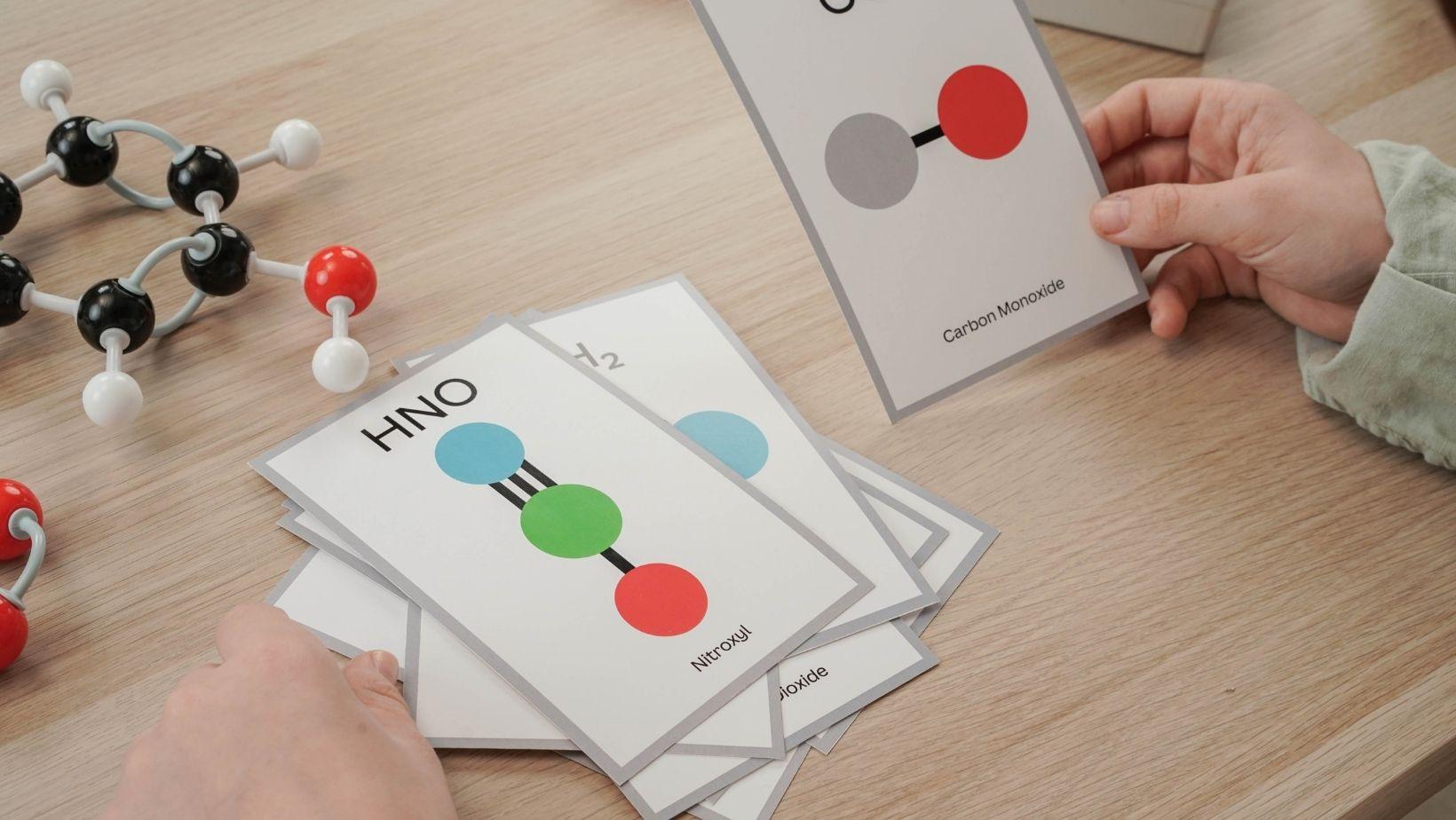
We’ve all been there. It’s late, the room’s quiet except for the low hum of your laptop, and you’re staring at a stack of cards, or maybe a glowing screen, wondering if any of this info is actually sticking. Honestly, in 2026, with AI tucked into almost every corner of our lives, the humble flashcard feels like a bit of a relic. I guess it’s only natural to wonder: Is there a more modern way to learn? Or are we just repeating old habits because they feel safe?
It’s a fair question to ask yourself. I ask for it too.
The truth is, the science behind flashcards hasn’t changed, even if the tech has. Research from early 2026 continues to show that the core mechanics, like active recall and spaced repetition, are still the most effective ways to move info from your short-term memory into long-term storage. And you know, whether you’re a student, a pro, or just someone trying to pick up a new language, the evidence suggests that flashcards are more relevant now than they’ve ever been.
Table of Contents
The Science of Active Recall
The biggest reason flashcards work is a process called active recall. Most people study by reading their notes over and over. That’s just passive review. It feels productive because the words look familiar, but is your brain actually doing the work? Probably not. When you use a flashcard, you’re forced to look at a prompt and pull the answer from your memory.
It’s hard. It’s supposed to be.
Recent studies in 2025 and 2026 have confirmed that this act of "retrieval" strengthens the neural pathways in your brain. It’s like a workout for your memory. Every time you struggle to remember an answer and then finally grab it, that "aha!" moment, you’re making that memory harder to forget.
It finally sticks.
Passive reading doesn’t do this. It gives you a false sense of security that often vanishes the moment you sit down for a test or a big presentation. Have you ever felt like you knew a topic perfectly until someone asked you a direct question about it? That’s the gap active recall fills. It’s about proving to yourself that you actually know it. Honestly, it’s about being honest with yourself.
Spaced Repetition in the Modern World
Another key factor is spaced repetition. This is the idea that you should review info just as you’re about to forget it. In the past, this was pretty hard to manage with physical cards. You had to keep track of different boxes and schedules yourself, which was a nightmare.
But today, things are different.
Modern tools have perfected the algorithms that tell you exactly when to review a card. Research indicates that using these algorithms can improve retention by up to 200 percent compared to old-school study methods. This is why many people are now looking for AI flashcard makers to handle the heavy lifting. Honestly, these tools take your messy notes and turn them into a schedule that fits your specific life, making the whole process way more efficient. Maybe even a little bit fun.
Digital vs. Physical: Does it Matter?
There’s a long-running debate about whether paper cards are better than digital ones. In 2026, the research shows that both have their place. Paper cards offer a tactile experience, the scratch of the pen, the feel of the cardstock, and help you avoid the distractions of a smartphone.
But then there is the convenience factor. You can't ignore it.
Digital flashcards offer a portability that’s hard to beat. You can have thousands of cards on your phone, ready to go during a commute or while waiting for your latte at the coffee shop. So, which one should you choose? Well, the research suggests that the best method is simply the one you’ll actually use. If you find paper too messy to manage, digital is the way to go. If you find screens too distracting, stick to paper. The effectiveness comes from the retrieval process, not the material the card is made of.
Why Flashcards Still Win in 2026
You might think that AI could just remember everything for us now. And sure, we have instant access to info. But there’s still a massive value in actually knowing things. I’ve realized that deep understanding and critical thinking require a foundation of facts that you can access instantly in your own mind.
Flashcards provide that foundation. They aren’t just about memorizing boring facts; they’re about building a mental library. When you don’t have to look up every small detail, your brain is free to do the high-level work of solving problems and being creative. It’s about freedom. You know?
Conclusion
So, are flashcards still effective in 2026? The research says a resounding yes. They remain one of the most scientifically backed ways to learn. While the tools we use to create and manage them have evolved, the way our brains process info remains the same.
It’s about the work. And that’s the point.
The next time you’re staring at a pile of information, remember that the simplest tool is often the best. Give your brain the workout it needs, and you’ll be surprised at how much you can actually remember.
