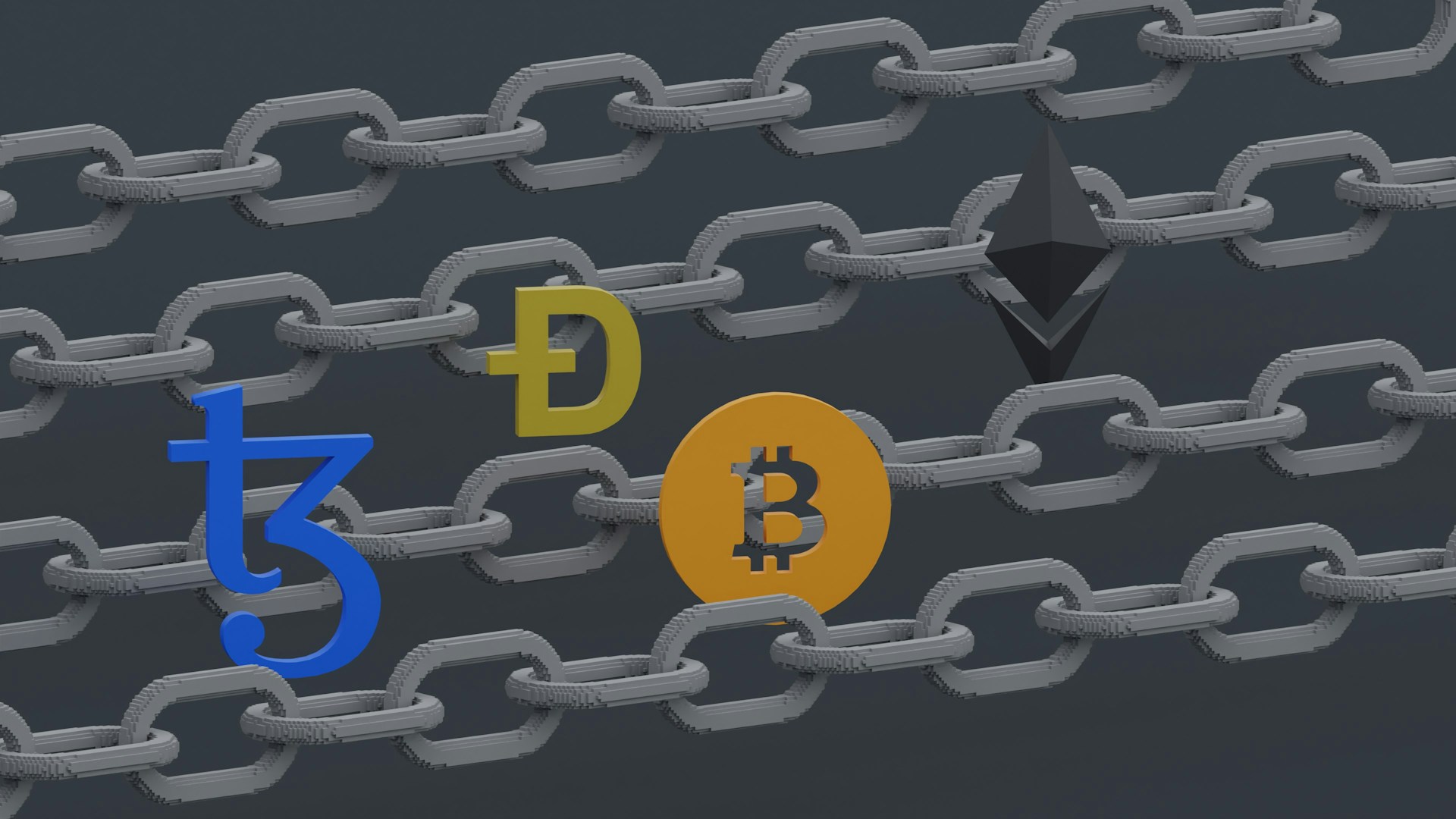
Cryptocurrency platforms, often called exchanges, are digital tools that allow people to interact with digital currencies safely and efficiently. Understanding how these platforms function can help you understand the underlying systems behind blockchain technology and online payments.
Table of Contents
Step 1: Creating an Account
Before using a cryptocurrency platform, a user must register. Typical steps include:
- Providing basic identification, such as a government ID or email verification.
- Setting a secure password and enabling two-factor authentication.
- Agreeing to the platform’s terms and privacy policies
This step ensures the platform can maintain regulatory compliance and protect user accounts.
Step 2: Depositing Funds
Once an account is set up, the user can deposit traditional currency or cryptocurrency into their platform account. Most platforms accept multiple payment methods, including bank transfers, debit/credit cards, or other digital payment options.
These deposits are converted into digital assets that the platform can track, making them ready for transactions or educational exploration.
Step 3: Storing Digital Assets
Cryptocurrency platforms use digital wallets to store assets. These wallets can be:
- Hot wallets, which are connected to the internet and allow quick access for transactions.
- Cold wallets, which are offline and used for longer-term storage to increase security.
Hot wallets are convenient for frequent activity, while cold wallets provide additional protection against online threats. Choosing the right storage method is crucial for safety and for understanding how digital assets are managed.
Step 4: Processing Transactions
When a user sends cryptocurrency to another person, the platform communicates with the blockchain network to process the transaction. Here’s how it works:
- The transaction details are broadcast to the network.
- Network participants, known as validators or miners, verify the transaction.
- Once verified, the transaction is added to a block.
- The block is linked to the blockchain, making the transaction permanent and traceable.
This process ensures that digital assets are transferred securely and that the record cannot be altered.
Step 5: Using Platform Features
Beyond simple buying and selling, cryptocurrency platforms often provide additional educational tools, such as charts, historical data, and learning resources. Users can explore these features to understand how transactions are recorded, how market activity is reflected, and how blockchain technology maintains security.
For those interested in seeing a real-world example of this process, you can learn about purchasing crypto on Kraken. This resource explains how platforms verify users, accept payments, and complete transactions.
Step 6: Security and Compliance
Cryptocurrency platforms must comply with local laws and security standards. They implement encryption, two-factor authentication, and regular audits to protect user information. By studying these platforms, you can observe how digital security measures and regulatory compliance interact to make the system reliable.
By examining the steps above, you can also gain a clear understanding of how cryptocurrency platforms operate. These platforms serve as a bridge between digital assets and real-world applications, providing insight into how modern technology enables secure, decentralized transactions.
Endnote
Cryptocurrency platforms are more than just tools for trading digital coins, they are educational models for understanding blockchain systems, security practices, and digital payments. By studying how accounts are created, transactions are processed, and assets are stored, you can build foundational knowledge about digital finance technology in a safe and structured way.

WPFaspe, the prolific author behind the enlightening works housed within Faspe, passionately contributes to the educational haven as a beacon for educators, parents, and students. With a resolute commitment to nurturing the unfolding journey of education, WPFaspe’s writing encapsulates a dedication to fostering growth, curiosity, and learning at every step, embodying the fundamental belief that education is a perpetual voyage rather than a mere destination.