

When we think about deliciously dark twists in literature, Roald Dahl’s Lamb to the Slaughter often comes to mind. Picture this: a cozy scene, the smell of roasted lamb in the air, and then, BAM., a shocking turn of events that leaves us questioning not just the characters but our own moral compass. Today, we’re diving into the juicy details of this story, exploring its themes, character analyses, and more. So, grab your metaphorical fork and knife, and let’s slice right into it.
Table of Contents
Lamb to the Slaughter CommonLit Answers
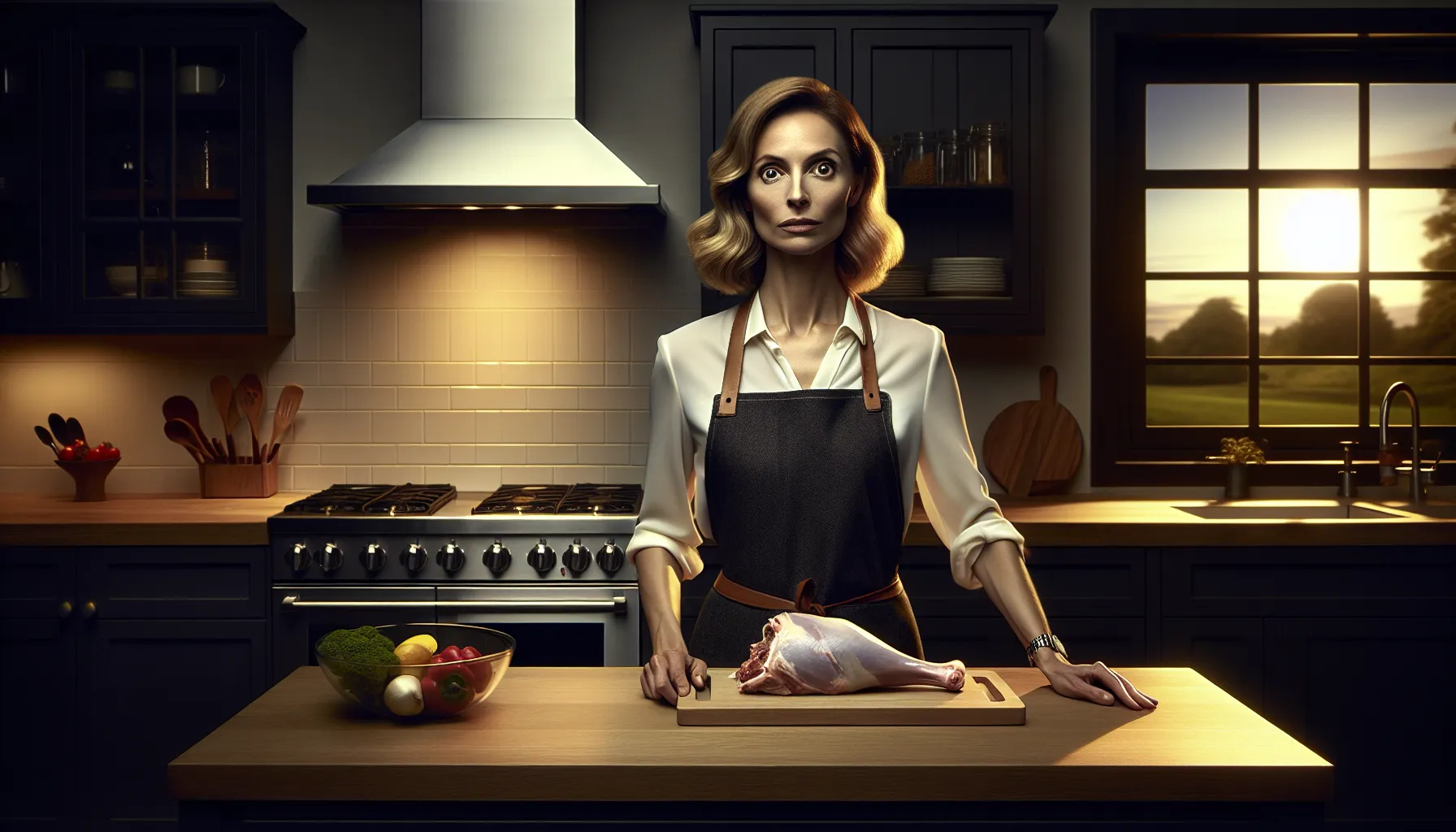
Lamb to the Slaughter revolves around Mary Maloney, a devoted wife whose life takes a harrowing turn. We meet her as she prepares a meal for her husband, Patrick, who abruptly reveals he’s leaving her. What unfolds next is both shocking and darkly humorous: in a fit of betrayal and rage, Mary kills Patrick with a frozen leg of lamb. But the story doesn’t end there. In a twist that would make Agatha Christie proud, Mary serves the lamb, her weapon, to the detectives investigating Patrick’s murder. It’s a masterstroke of irony that Dahl weaves throughout this narrative, making us both laugh and gasp at the same time.
Themes Explored in Lamb to the Slaughter
Dahl’s story isn’t just about a shocking murder: it’s rich with themes that challenge our understanding of love, betrayal, and gender roles.
Betrayal and Revenge
At its core, the theme of betrayal hits hard. We see how Patrick’s dismissal of Mary transforms her from a loving wife to a woman scorned, willing to take extreme measures. The lengths we go to for love, or revenge, are both alarming and fascinating.
Gender Roles
Mary’s transformation challenges conventional gender roles. She starts off as the archetypical 50s housewife, but as the plot unravels, we witness a surprising shift in her character. This eventually leads us to question: How often do we underestimate the quiet strength in those we see as weak?
Justice and Irony
Irony plays a pivotal role in how we perceive justice. Mary cleverly deceives the detectives, leaving us to ponder whether justice is served or subverted. The humor in these dark elements evokes a mix of emotions, showing that not all narratives follow a straight line toward justice.
Character Analysis
Let’s break down the main characters and their complex motivations.
Mary Maloney
Mary is not just a simple housewife. We dive deeply into her psyche and see her tranquility shattered by Patrick’s announcement. Her character’s evolution reflects resilience and cunning. With her transformation from a passive figure into an active agent, we’re left in awe of her shrewdness.
Patrick Maloney
On the other hand, Patrick embodies the archetypal male figure of his time: cold, unfeeling, and dismissive of his wife. This characterization eventually seals his fate and serves as a stark reminder of the consequences of neglect in relationships.
The Detectives
The detectives represent the societal expectation of law and order. But, their ineptitude casts a shadow on the themes of justice and irony, as they unknowingly consume the evidence.
Plot Summary and Key Events
From start to finish, the plot of Lamb to the Slaughter unfolds rapidly yet thoughtfully. Here’s a quick overview of the key moments:
- Introduction: We meet Mary Maloney, a loving wife who cherishes her husband.
- Conflict: Patrick drops the bombshell of his intentions to leave.
- Climax: In a moment of disbelief and fury, Mary kills Patrick with a leg of lamb.
- Falling Action: She concocts a plan to cover her tracks, cooking the evidence and serving it to the detectives.
- Resolution: The detectives unknowingly consume the murder weapon, leaving audience members in a mix of disbelief and laughter.
Discussion Questions and Answers
As we investigate deeper into Dahl’s masterpiece, let’s tackle some common discussion questions that often arise:
What prompts Mary’s drastic action?
Mary’s drastic action is prompted by emotional betrayal and shock. When the one person she trusts discards her, her immediate response reflects her desperation and the deep-rooted issues of their marriage.
How does Dahl use irony to enhance the story?
Irony is a key technique employed by Dahl to engage us as readers. The fact that the detectives consume the very evidence they’re searching for adds layers to the narrative, highlighting the theme of justice, or lack thereof.
What does the story say about the concept of justice?
The story subtly critiques the traditional notions of justice. Mary’s cleverness leads us to question whether justice is truly served when the guilty remain unpunished, shifting our moral compass.
