
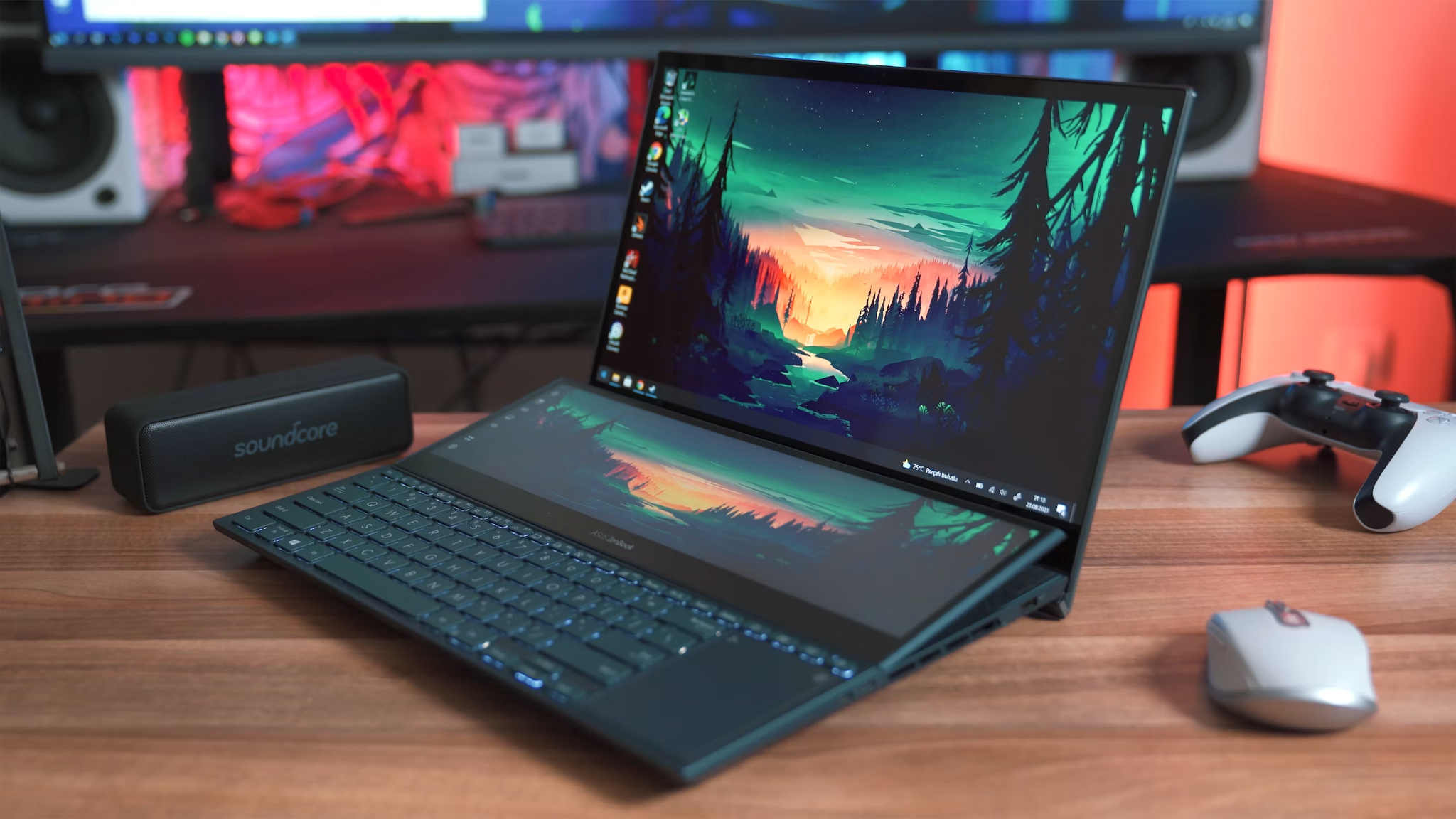
High-refresh screens and RGB keyboards once signaled a device built strictly for play. That picture is out of date. During the last five years, the same machines that conquered esports arenas have quietly matured into mobile studios capable of crunching video edits, data models, and code builds without breaking a sweat.
Performance growth mirrors trends in other niche hobbies that turned mainstream. Consider evolution ice fishing equipment, where lightweight rods and sonar once aimed at weekend fun have become precision tools for research teams. In much the same way, gaming laptops have shed the “toy” label, earning a seat beside classic business workstations.
Table of Contents
Silicon Leaps That Closed the Gap
Desktop-class CPUs now sit inside chassis under twenty-five millimeters thick. Dedicated graphics chips handle AI inference and 3-D rendering that office ultrabooks cannot touch. Fast NVMe drives deliver gigabytes per second, opening massive Photoshop files before coffee cools. Thermal designs also improved. Vapor chambers and liquid-metal pastes keep noise low enough for libraries, solving the turbine-fan stigma early gamers endured.
Performance Upgrades Turning Heads
- Multi-core monsters
Ten, twelve, or even sixteen cores slash compile times and batch exports, freeing creative schedules.
- AI-ready GPUs
Tensor cores speed up machine-learning models, image upscaling, and real-time noise removal during video calls.
- High-capacity batteries
Eight-hour spreadsheets or six-hour Premiere sessions now happen untethered, ideal for on-site shoots.
- Studio drivers
Manufacturers ship firmware tuned for Blender and DaVinci Resolve, cutting crash risk during client presentations.
Engineers who once lugged mini-PCs to demo sites now travel with one slim backpack.
Quiet Power Brings Office Acceptance
Noise and heat blocked gaming rigs from boardrooms. Recent revisions tackle both issues by lowering voltage under light loads and spinning fans only when sensors demand. Chassis plastics gave way to magnesium blends that dissipate warmth evenly. Meeting rooms stay silent, and palms remain cool while writing proposals.
Cloud integration also strengthens the argument. A gaming laptop can render locally yet sync draft assets to remote servers the moment Wi-Fi returns. That flexibility reduces downtime on flights and in field locations where bandwidth dips.
Design Tweaks Aim at Professionals
Manufacturers realized neon glass and skull decals had limited appeal. Many current models hide flashy logos in subtle gunmetal shells. Keyboards switch from rainbow to soft white backlight on office hours schedules. Security chips support BitLocker. HDMI 2.1 and dual Thunderbolt ports drive three external monitors for spreadsheet-heavy roles. Such changes invite procurement departments to view these devices as cost-effective mobile workstations rather than indulgent gadgets.
Extra durability follows. Reinforced hinges, spill-resistant decks, and military-grade drop ratings shorten IT approval cycles. Warranty terms expand to on-site service, matching enterprise expectations.
Real-World Impact Across Professions
Content creators export 4-K timelines twice as fast, reducing client wait. Data scientists test larger neural nets during hackathons without queuing for shared clusters. Architects load complex BIM scenes on job sites, walking construction managers through live visualizations. Even finance analysts slice through millions of rows in Power Query that would freeze traditional thin and light laptops.
Smart Steps When Choosing A Work-Ready Gaming Laptop
- Match screen spec to task
Media editors need 100 percent sRGB or better, while traders may value high-refresh panels for chart motion.
- Check port variety
Full-size SD, Ethernet, and multiple USB-C save dongle headaches during events.
- Inspect sustained wattage tests
Five-minute benchmarks hide throttling; look for hour-long stress results in reviews.
- Plan weight versus power
A 14-inch chassis rides easily on subway commutes, yet 17 -inch models still rule for complex simulations.
Spacing everyday duties between those two lists keeps reading flow comfortable, preventing list fatigue.
The Economics Favor Hybrid Machines
Traditional mobile workstations carry premium markups for certified graphics cards. Gaming alternatives often match raw horsepower at lower price points because consumer volume offsets component costs. Add holiday discounts and student bundles, and procurement teams find budget left for color-calibrated monitors or extra docking stations.
Lifespan matters too. Many gaming rigs allow memory and storage upgrades after purchase. Two screws, a fresh SSD, and another three years of relevance begin. That flexibility pairs with rapid release cycles; new silicon appears annually, so replacement planning remains predictable.
Looking Ahead
Chip makers promise further efficiency gains through 3-nanometer processes and stacked cache. Battery chemistry experiments may push full-throttle runtime past the ten-hour mark. If trends hold, the divide between “gaming” and “business” labels disappears entirely. Soon, decision makers will evaluate devices on workload fit, not marketing category.
For now, the blend already works. A single machine edits cinematic footage at lunch, crunches sales forecasts in the afternoon, and delivers smooth RPG sessions after dark. The phrase “just a toy” fades fast when deadlines shrink, presentations run flawlessly, and extra frame rates bring stress relief all on one backlit keyboard.
