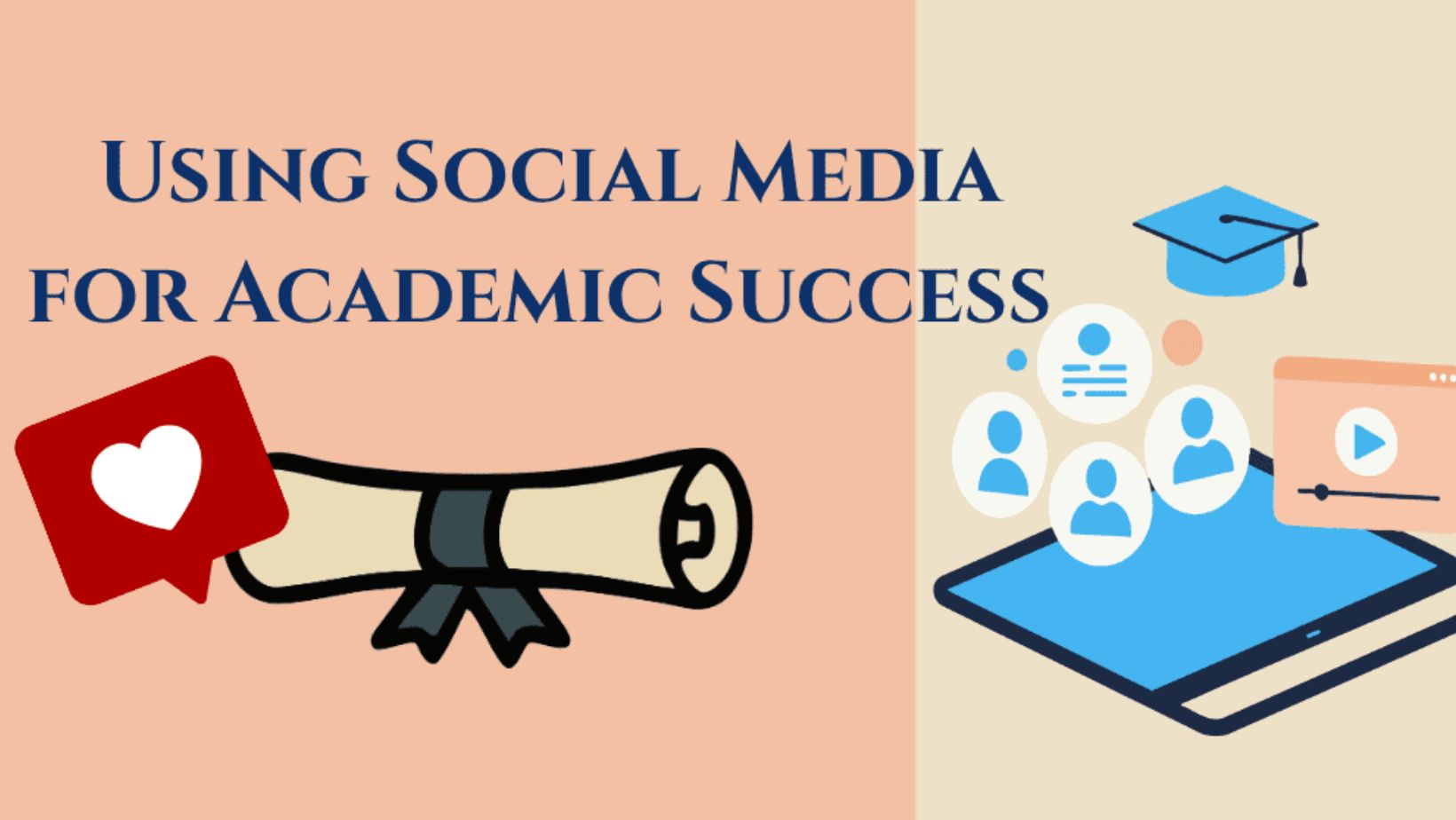
For many students, the phrases “social media” and “academic success” seem to exist in separate universes. One is a world of distraction, memes, and endless scrolling; the other demands focus, deep work, and concentration. But what if this is an outdated view? In today’s digital landscape, the same platforms that can be a source of procrastination can also be transformed into powerful tools for learning, collaboration, and networking. The key isn’t to avoid them, but to learn how to leverage them effectively.
The first and most crucial step is a simple but profound shift in mindset. It’s about moving from being a passive consumer to an active, intentional learner.
Table of Contents
The Power of a Platform: Amplifying Your Academic Voice
Have you ever tried to explain a difficult concept to someone else to better understand it yourself? This is a well-known learning technique, and social media provides the perfect stage for it. Creating a short video on TikTok explaining a historical event, designing an infographic to summarize a scientific paper, or writing a thread about your research project does more than just help your TikTok followers. It solidifies your own understanding and builds your reputation as a knowledgeable voice in your area. When you share your insights, you invite discussion and feedback that can refine your ideas. In fact, data suggests that content shared by creators with a larger audience can achieve more visibility, making building a significant online presence a critical component for students wanting their academic voice to be heard and discussed.
With all these opportunities, however, comes the need for discipline and a responsible approach. The line between productive use and time-wasting can be thin.
From Passive Scrolling to Active Learning
Think about how you currently use platforms like YouTube or TikTok. Is it purely for entertainment? Now, consider curating your feed for educational purposes. Instead of just following comedians and influencers, start following university departments, science communicators, historians, and artists. The #StudyTok community on TikTok, for instance, is filled with students sharing innovative note-taking methods, memory tricks, and quick explanations of complex topics. YouTube has become an unparalleled resource for in-depth tutorials on everything from calculus to coding. By actively seeking out and engaging with educational content, you turn your social media feed from a distraction into a personalized, on-demand learning library. This approach aligns with proven study methods like active recall, where you consistently test your knowledge rather than passively reviewing it.
Once you begin seeing social media as a vast repository of knowledge, the next logical step is to use it for connection and collaboration.
Building Your Academic Network and Collaborative Spaces
Your classroom or lecture hall is no longer the only place to find study partners or mentors. Social media breaks down geographical barriers, allowing you to connect with peers and experts from around the globe. Imagine creating an Instagram or a Discord group with classmates to share notes, discuss difficult concepts, and quiz each other before an exam. On platforms like X and LinkedIn, you can follow and interact with leading researchers and professionals in your field of interest. Asking a thoughtful question on a post by a published author or scientist can lead to invaluable insights you’d never get from a textbook. This isn’t just about getting help with homework; it’s about building a professional network that can support you throughout your academic and future career.
Of course, consuming and connecting is only half the equation. The real power comes when you transition from a consumer to a creator, sharing your own academic journey.
Practical Tips for Responsible Social Media Use
To truly make social media work for your academic goals, you need to set clear boundaries. Use time-management techniques, like the Pomodoro method, to allocate specific blocks of time for focused study and separate, shorter blocks for social media use. Second, become a critical consumer of information. Not all content is created equal. Learn to verify sources and distinguish between expert opinion and misinformation, a crucial skill in any academic field.

A great starting point is to understand the difference between primary and secondary sources and to cross-reference claims with trusted academic databases or university resources. Finally, be mindful of your privacy. Decide what aspects of your academic journey you are comfortable sharing publicly and adjust your privacy settings accordingly.
Frequently Asked Questions
1. Can social media really replace traditional study methods?
No, it should be seen as a supplement, not a replacement. Social media is excellent for collaborative learning, quick reviews, and accessing diverse perspectives.
2. Which social media platforms are best for academic purposes?
It depends on your goals. YouTube is ideal for long-form video tutorials and lectures. TikTok and Instagram Reels are great for short, visual explanations and study tips. X and LinkedIn are powerful for networking with professionals and academics in your field and participating in real-time discussions.
3. How can I avoid getting distracted while using social media for my studies?
The key is intentionality. Create separate user accounts or lists dedicated solely to your academic interests. Use browser extensions or app features that block distracting feeds or limit your time on the platform.
4. Is it safe to share my academic work or notes online?
You should be cautious. Sharing your own summaries or original thoughts is generally fine and can be beneficial. Always be mindful of plagiarism and copyright and prioritize sharing your unique perspective on the material you are learning.

Brian, the dedicated Editor and Education Enthusiast at Faspe, is a dynamic force breathing life into the realm of education. Grounded in pedagogical expertise and fueled by boundless passion, Brian enriches the team with extensive experience, curating resources that inspire educators and students alike. His unshakable faith in the transformative power of education propels individuals to reach for the stars on their educational journey.