
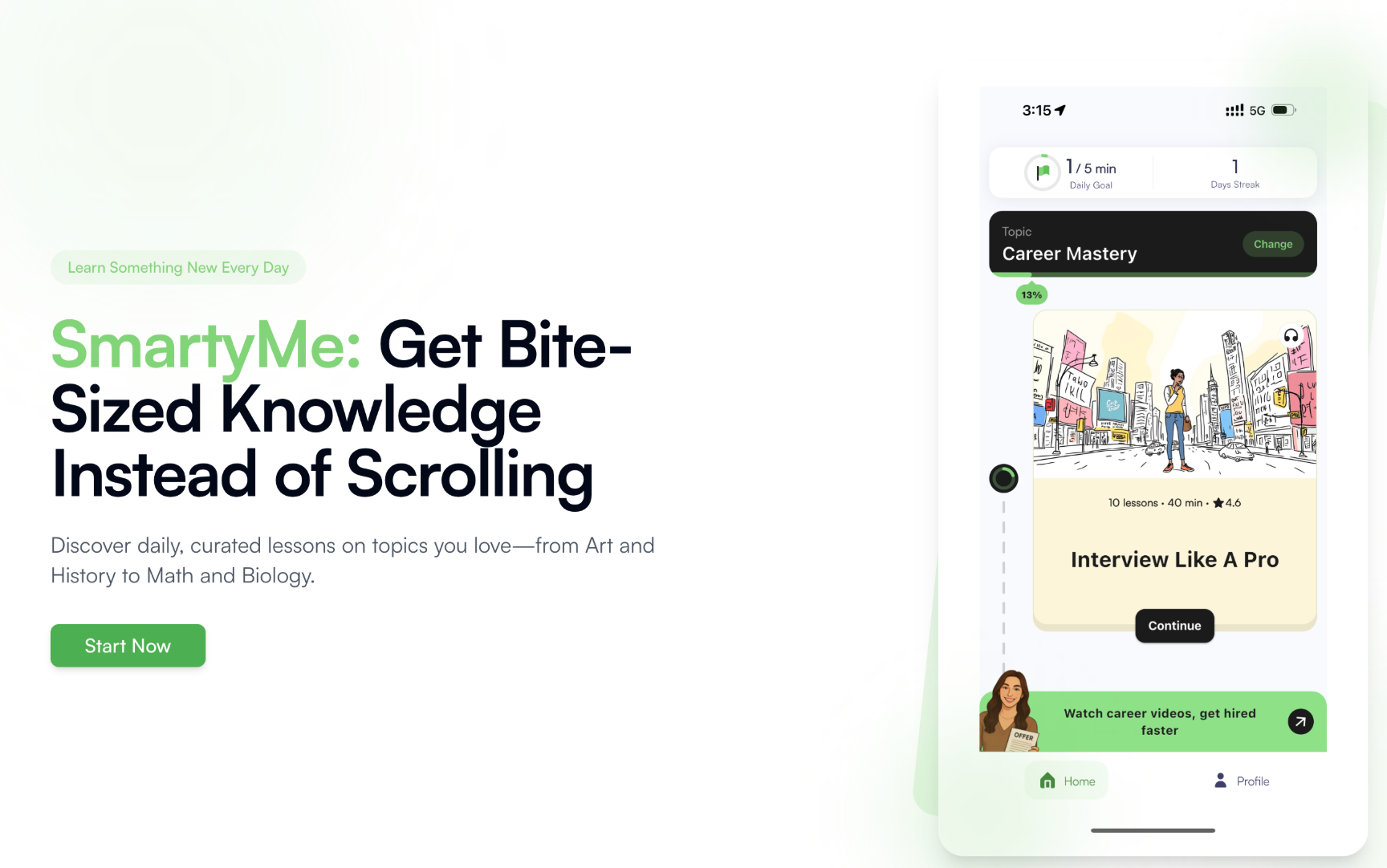
Before subscribing to any app, I always spend time looking for honest opinions from people who have actually used it. App store ratings feel too curated sometimes, and you rarely get the full picture there. So I went looking for real user experiences with SmartyMe Reddit discussions before making any decisions. What I found was more balanced and useful than I expected.
Table of Contents
Why I looked on Reddit first
App store reviews have their place, but they tend to skew in predictable ways. Five-star ratings often come right after a prompt inside the app, and one-star reviews sometimes come from people frustrated about something unrelated to the actual product. Reddit sits somewhere different in that ecosystem. People post there without being nudged, without a rating scale, and often with more context about their actual experience.
I was skeptical going in, especially because SmartyMe reviews on official channels looked almost too positive. That kind of uniformity makes you wonder. Reddit threads, on the other hand, tend to mix the good with the frustrating in ways that feel more like a real conversation. For anyone who relies on user reviews before signing up, this recent Trustpilot review is one example to consider.
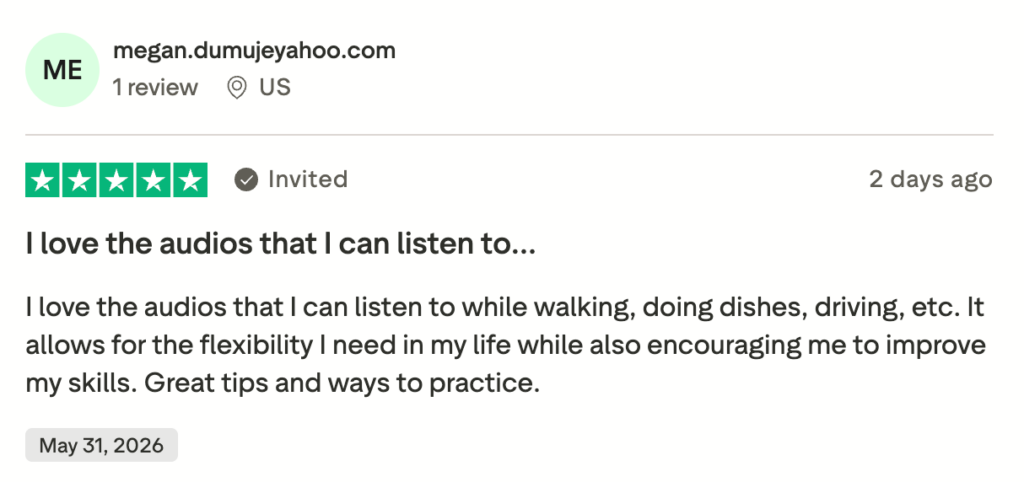
What I wanted to understand wasn’t just “is it good?” but more specifically: what is this app actually useful for, and where does it fall short? Those are the questions that marketing copy never answers. I searched through several threads, read through comment chains, and paid attention to the specific details people mentioned rather than their overall sentiment. 🔍
The approach mattered. Skimming for a quick verdict would have missed the texture of what people were actually saying. So I read carefully, cross-referenced a few threads, and tried to build a picture from multiple angles before forming any opinion.
The common themes I noticed
Across different threads, a few ideas kept coming back regardless of who was writing. That kind of repetition usually signals something real rather than coincidental.
The format got mentioned often. A lot of users appreciated that content is broken into short, digestible pieces – something that fits into a lunch break or a commute without demanding a long attention span. For people trying to build a reading habit, that structure seemed to work well.
At the same time, people were pretty consistent about one limitation: this is a microlearning app, and it behaves like one. If you go in expecting deep, textbook-level coverage of a subject, you’ll leave disappointed. Several users pointed out that topics get introduced and contextualized, but not fully unpacked. That’s not a bug exactly – it’s the nature of the format – but it’s worth knowing ahead of time.
Subscription and auto-renewal came up more than once. This is common for most subscription apps and Reddit tends to surface it loudly. The main feedback was around clarity – people wanted more obvious reminders before renewal, which is a pretty standard complaint across the whole category.
Here’s a fair summary of what kept appearing:
- 📌 Short format praised for habit-building
- 📌 Depth seen as limited for complex topics
- 📌 Subscription terms flagged by some users
- 📌 Interface described as clean and easy to navigate
- 📌 Content variety mentioned positively in several threads
The overall picture wasn’t overwhelmingly positive or negative. It was mixed in a way that felt honest. Most people who stuck around seemed to find genuine value in it for specific use cases, while those who left were often looking for something the app was never designed to be.
How it matched my own experience
After spending time with the app myself, I kept thinking back to what those Reddit threads had said. The overlap was striking.
The short format really does work the way people described. Content moves quickly, and you don’t need to carve out dedicated study sessions to make progress. That matches what a lot of users said about fitting it into small gaps in the day. What surprised me was how well the topic selection held up – I expected a narrow catalog and found more variety than anticipated.
Depth was exactly where Reddit had warned me. Some subjects get a solid overview, others feel like they barely scratch the surface. It depends on the topic, and there’s no real way to predict it before you open a specific piece of content. That inconsistency wasn’t a dealbreaker for me personally, but I understand why it frustrated some people.
What genuinely landed better than expected was the structure inside each lesson. It’s not just text dumped on a screen – there’s a logical flow that makes it easier to follow even when you’re distracted. That part didn’t come up much in the threads, so it was a pleasant gap between expectation and reality.
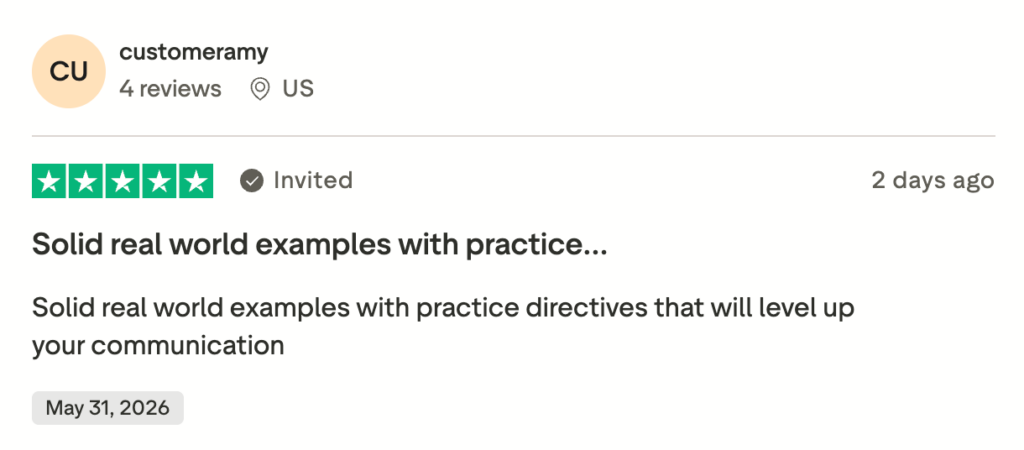
Honestly, the mixed reviews turned out to be more useful than polished marketing would have been. Knowing in advance that depth varies by topic meant I wasn’t blindsided when I hit a thin section. Managing expectations before you start using something is genuinely valuable. For anyone who wants to see what real users say, this Trustpilot review is one example worth reading.
Was the Reddit research useful?
Spending that time searching through discussions before committing to a subscription was worth it. Not because Reddit gave a definitive verdict, but because it gave a realistic one. Real users described actual use cases and real friction points, which helped me figure out whether my own expectations were reasonable.
The honest advice here is simple: check more than one source before subscribing to anything. App store ratings tell one part of the story, Reddit threads tell another, and your own initial subscription period will tell the rest. No single source gives you the complete picture.
If you’re considering this microlearning app specifically, go in knowing what it’s designed for. Short, habit-friendly content works well for people who want consistent exposure to new topics. It’s not a replacement for a textbook or a long-form course. Reddit made that clear, and my own experience confirmed it.
